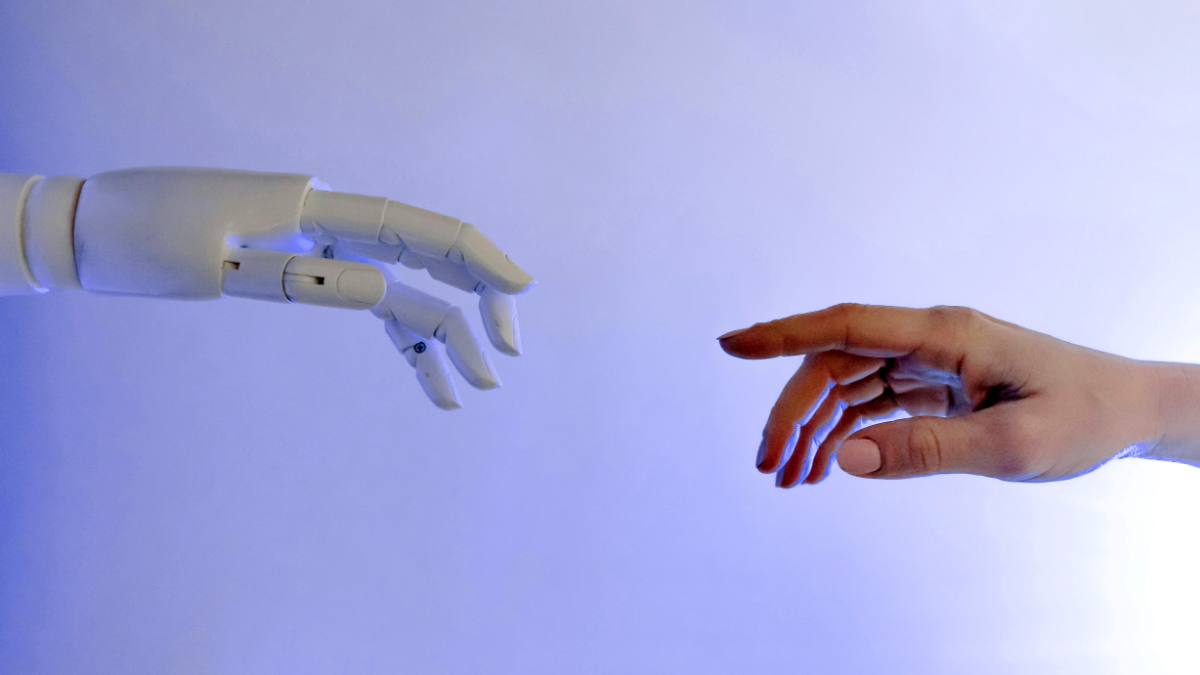
Design tools are evolving quickly and are being increasingly driven by AI automations and templated design systems, and while that can be helpful, it has also created a new problem. Many brands are starting to look and feel the same.
This is where Human-Led Design comes in.
Human-Led Design is not about rejecting technology. It is about using these new tools and automation to support good design decisions while ensuring humans guide the process. At its core, it means making deliberate, strategic choices that balance business goals, brand identity, and user needs.
What Is Human-Led Design (In Simple Terms)?
The focus is on humans guiding the design process. This ensures design decisions are intentional, strategic, and aligned with business goals.
Questions focus on decision-making and context:
- Who is this website or brand for?
- What do they need to understand quickly?
- What action do we want them to take?
- What might confuse or frustrate them?
You are asking these questions to make deliberate, accountable design choices and humans are “leading” the process, deciding how to balance user needs, business goals, and brand strategy.
From there, humans make deliberate choices about layout, typography, colour, content structure, and interaction, ensuring that each decision supports business goals and brand strategy, while also considering how users will interact with the design.
AI tools can suggest options but it’s important that human designers decide what actually makes sense for your audience and your business.
When it matters most
Human-Led Design becomes critical when:
- Design decisions affect brand perception
- Businesses need to differentiate in crowded markets
- One-size-fits-all solutions are not sufficient
- AI or automation is part of the workflow
Note: Human-Led Design is about who is guiding the design decisions. While it overlaps with Human-Centred Design, which focuses on understanding user needs, HLD ensures that humans are in control of how design choices are made and applied strategically.
Clarity Beats Cleverness
One of the biggest risks with automated or template-driven design is that it often prioritises visual impact over usability.
Human-Led Design focuses on clarity first, because humans understand when complexity will confuse users and when it adds value.
What this looks like in practice:
- Clear page hierarchies so users know where to look first
- Readable typography that works across devices
- Simple navigation that reflects how real people think, not internal business structures
A design that looks impressive but confuses users will not convert. A clear design will.
Design That Reflects Real Business Goals
Good design is not just about aesthetics. It should support measurable outcomes such as enquiries, sign-ups, bookings, or sales.
Human-Led Design connects visual decisions directly to business goals. For example:
- Landing pages are structured to reduce distractions and increase conversions
- Calls to action are placed where users naturally pause or decide
- Content and layout work together to build trust over time
This level of intent is difficult to achieve with one-click design tools alone.
Motion and Interaction with Purpose
Micro animations and scroll-triggered reveals are now common across modern websites, but they should serve a purpose rather than exist purely for visual effect.
Used well, motion can:
- Guide attention to important content
- Provide feedback so users know an action has worked
- Make digital experiences feel more intuitive and human
Human-Led Design ensures that motion enhances usability and supports the brand strategy, rather than being added automatically or without purpose.
Consistency Across Every Touchpoint
Many small and medium businesses interact with customers across multiple platforms. Websites, emails, booking systems, learning portals, and online stores all form part of the same brand experience.
Human-Led Design treats branding as a system rather than a collection of individual assets. This helps ensure:
- Visual consistency across platforms
- Familiar patterns that reduce user effort
- A more professional and trustworthy brand presence
This is especially important for growing businesses that need design systems that scale without losing cohesion.
Why Human-Led Design Matters More Now
As AI becomes more accessible, design that relies solely on automation becomes easier to replicate. What cannot be replicated as easily is understanding context, audience behaviour, and business nuance.
For small and medium businesses, Human-Led Design helps:
- Differentiate your brand in crowded markets
- Build trust with customers who value clarity and credibility
- Create digital experiences that support real business growth
Technology should make design more efficient, but people should still shape the decisions that matter.
If you are thinking about your next website, brand refresh, or digital product, this approach can make the difference between something that simply looks good and something that actually works.